Discover the Enchantment of HacivatandKaragoz: A Unique Cultural Gem
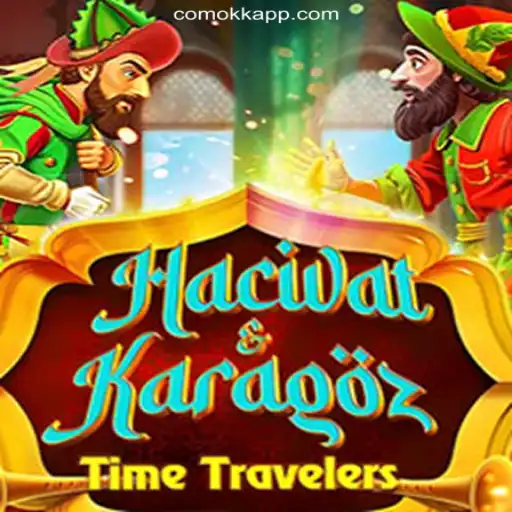
HacivatandKaragoz: A Unique Cultural Gem
HacivatandKaragoz is more than just an entertainment form; it is a profound representation of cultural heritage and creativity. Originating in Turkey, this traditional shadow play has fascinated audiences for centuries with its humor, wit, and intricate artistry. Understanding HacivatandKaragoz provides insight into not only the art of shadow puppetry but also the cultural and historical backdrop of its origins.
The Origins of HacivatandKaragoz
Tracing back to the Ottoman Empire, HacivatandKaragoz has its roots deeply embedded in Turkish folklore. The characters Hacivat and Karagoz represent contrasting personas, Hacivat being educated and eloquent, while Karagoz is blunt and straightforward. This dynamic creates a rich tapestry for storytelling, where societal norms and human behavior are scrutinized and satirized through humor and wit.
The Art of Shadow Play
Shadow puppetry, the technique utilized in HacivatandKaragoz, involves the use of flat, jointed puppets made from camel or cowhide, known as tasvirs. These puppets are painted colorfully and moved against a white screen, with the light source casting their shadows, creating an enchanting visual effect. The puppeteer, often accompanied by music, uses a combination of voices and sound effects to bring the characters to life.
Introduction to the Characters
Central to the play is the interaction between the two main characters, Hacivat and Karagoz. Their dialogues are sharp and humorous, reflecting the linguistic richness of Turkish culture. Supporting characters vary by performance, often introduced to add variety and context to the storyline. These characters serve as vehicles for addressing contemporary social issues, making the play relevant and engaging for generations.
Rules and Structure
The structure of a typical HacivatandKaragoz performance begins with a prologue where the puppeteer introduces the play and characters. The main plot unfolds through the interactions between Hacivat and Karagoz, filled with comedic exchanges and moral lessons. The epilogue concludes the performance, wrapping up the storyline and often leaving the audience with a thought-provoking message.
Contemporary Relevance and Events
In today's rapidly changing world, HacivatandKaragoz remains pertinent by adapting themes that reflect current societal issues. Contemporary performances may feature topics related to globalization, technology, and environmental concerns, ensuring that the art form continues to resonate with modern audiences.
The Role of HacivatandKaragoz in Today's Culture
Despite the onslaught of digital media and modern entertainment forms, HacivatandKaragoz maintains its allure, drawing audiences into its world of shadows and light. It has found a place in cultural festivals, educational programs, and even online platforms, where the traditional meets the new age. The adaptability of this art form showcases its timeless appeal and cultural significance, allowing it to be an essential part of cultural preservation and education.
Furthermore, the collaboration between traditional arts and modern technology opens up a plethora of opportunities for innovation within this field. Virtual performances and interactive sessions have emerged, broadening the audience base and introducing younger generations to this captivating tradition.
Embracing a Rich Legacy
HacivatandKaragoz is more than entertainment; it is a legacy of cultural richness and artistic brilliance. As we embrace the digital age, it is crucial to preserve such traditions that offer invaluable insights into history, society, and human nature. By supporting and engaging with traditional arts like HacivatandKaragoz, we can ensure that future generations appreciate and continue to cherish these cultural gems. This preservation of cultural heritage not only enriches our lives but also fosters a deeper understanding of the diverse world in which we live.
